

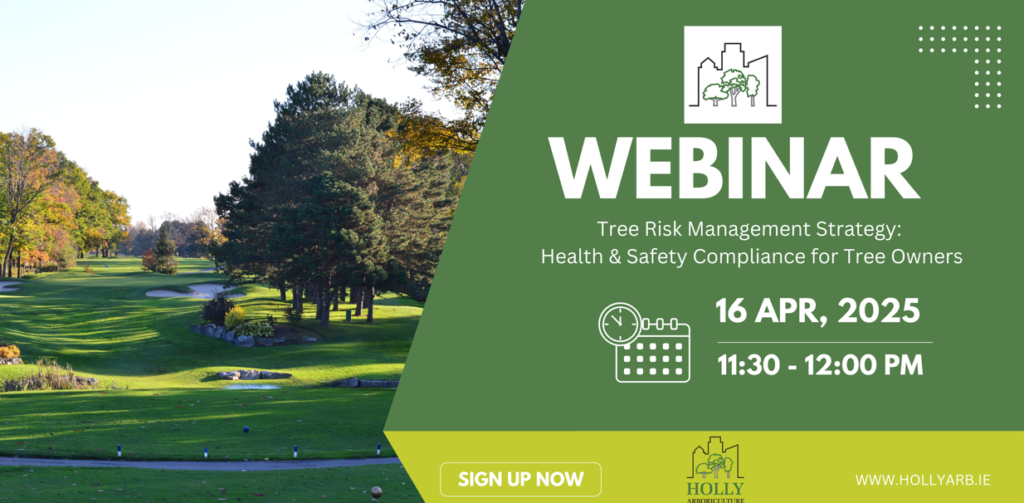
Trees are essential for the environment, contributing to cleaner air, enhanced aesthetics, and improved biodiversity. However, managing a large number of trees—whether in public parks, private estates, golf courses, schools, churches, or commercial properties—requires serious attention to risk management. Trees that aren’t properly maintained or assessed can pose significant safety hazards, putting people, property, and even wildlife at risk. This is where tree risk management comes in.
As the responsibility for tree safety increasingly falls on health and safety officers, grounds managers, and property owners, understanding the importance of a well-crafted tree risk management strategy is essential.
Why Tree Risk Management Matters
Under the Health and Safety at Work Regulations, owners of large tree populations are legally obligated to assess the risks posed by trees. This responsibility isn’t just about maintaining the beauty of your estate—it’s about ensuring the safety of those who visit or live in the space. Trees that are left unchecked or improperly maintained can present serious dangers, such as falling branches, uprooted trees, or weakened limbs that could potentially harm guests, employees, or residents.
A comprehensive tree risk management strategy helps you identify potential hazards, assess risks, and implement control measures to mitigate the dangers. In addition to improve safety, it also protects property from damage caused by fallen trees or limbs, reducing liability for owners and managers.
Key Components of an Effective Tree Risk Management Strategy
An effective tree risk management strategy includes several critical components:
- Hazard Identification: Regular assessments to identify any potential risks, such as damaged limbs, leaning trees, or root issues.
- Risk Assessment: Evaluating the likelihood and potential severity of tree-related accidents and establishing priorities for action.
- Control Measures: Implementing procedures for safe tree management, including pruning, removal, and regular inspections.
- Inspection and Audit Protocols: Establishing clear guidelines on how often inspections should take place and the qualifications required for inspectors.
- Policy Integration: Ensuring your tree management strategy is aligned with other health and safety policies on the property.
Who Should Attend This Webinar?
If you’re responsible for managing the safety of any property or green space with trees private or public, this webinar is for you. It’s ideal for:
- Health and Safety Officers who need to stay compliant with legal requirements for tree safety.
- Grounds Managers who oversee large estates, golf courses, and other tree-covered spaces.
- Property Managers in charge of maintaining both public and private outdoor spaces.
- Tree Officers and anyone else responsible for the maintenance and safety of trees.
What to Expect From Our Webinar
In this 30-minute Tree Risk Management Strategy webinar, we’ll walk you through the process of developing a risk management plan that meets safety and compliance standards. We’ll discuss legal obligations surrounding tree safety, offer practical advice on inspections and audits, and provide examples.
Our expert speakers will guide you on how to:
- Understand a tree risk management policy
- Identify hazards and assess risks associated with trees
- Apply best practices for regular inspections and audits
- Stay compliant with the latest health and safety regulations
Register Now for Early Access!
The webinar is completely free, but spaces are limited. Don’t miss out on this opportunity to gain valuable insights from industry experts.
📅 Date: April 16th 2025
🕒 Time: 11:30 am-12:00 noon Irish time
📍 Location: Online (zoom)
Click here to register now! HERE
Can’t attend live? No problem! Contact us for more information about tree risk management strategies.